
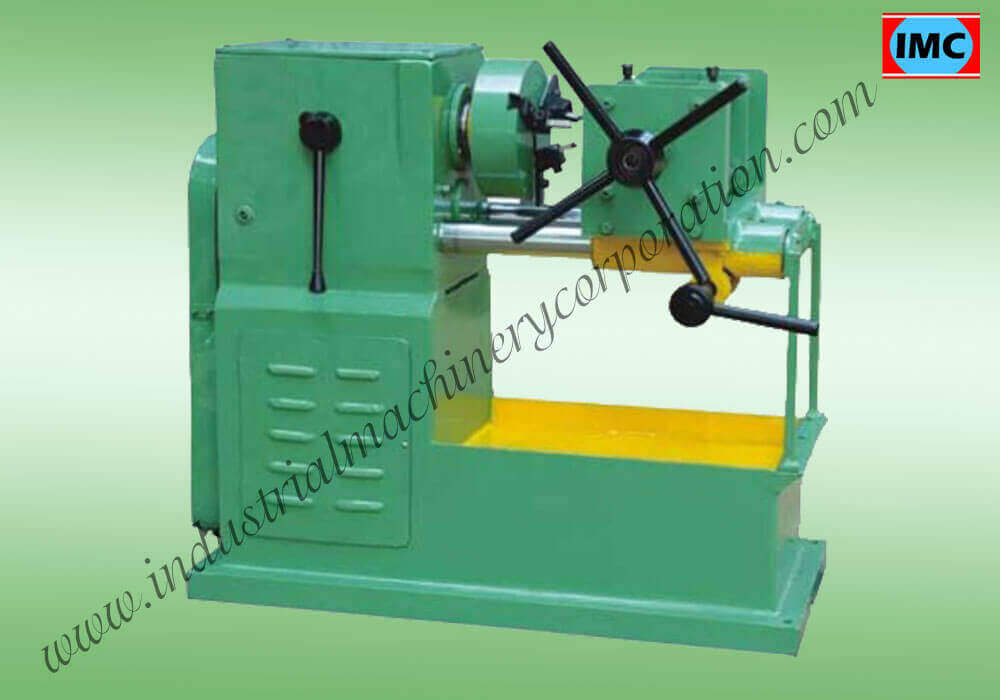
Pipe End Facing Machine
Pipe End Facing Machine from Industrial Machinery Corporation (IMC) is designed to face, chamfer and deburr pipe ends before threading, galvanizing or downstream fabrication. It is manufactured and su ...
VIEW MORE
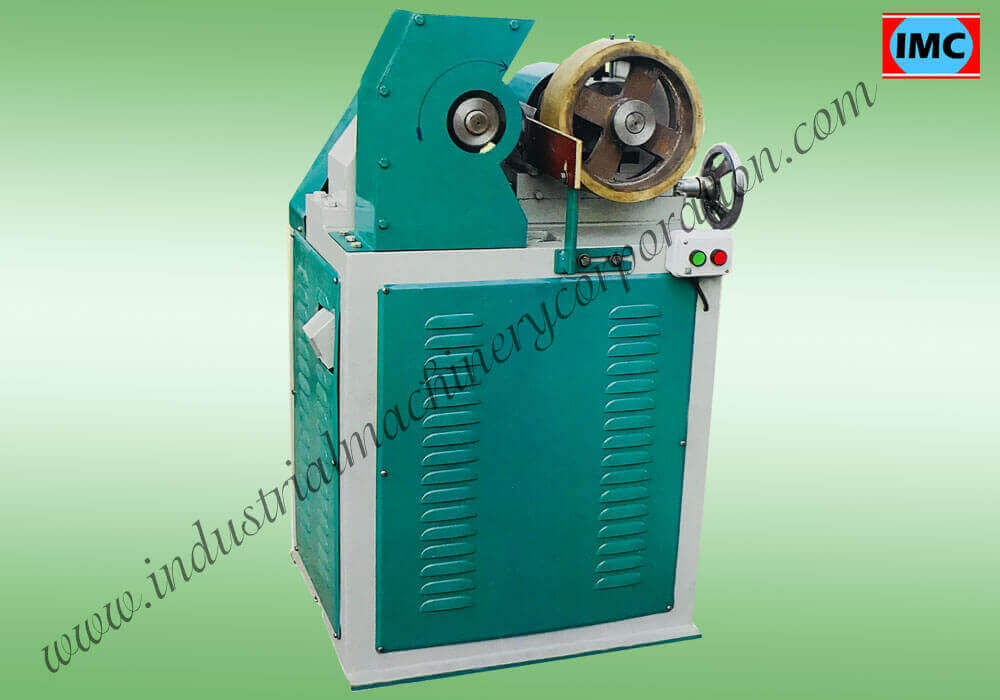
For a buffing machine quotation, send part drawing or sample, metal grade, present finish, desired finish, handling preference and output target. Confirm the selected configuration, included tooling and delivery requirements with IMC before ordering.
No product-specific playlist is stored for this item yet. View IMC machine demonstrations and production videos in the main gallery.
Model data and technical details supplied for this product. Final configuration can be confirmed against your application.
| Automatic Grade | Manual, Semi-automatic, Fully-automatic |
|---|---|
| Power Reference | 5 H.P., 3 H.P., 1440 RPM |
| Wire / Rod Diameter | 3–25 mm |
| Pipe Diameter | 6–50 mm |
| Flap Wheel | 300 × 50 (2/1) – live legacy notation |
| Abrasive Belt | Not Applicable |
| Approx. Weight | 300 / 400 kg |
| Floor Space Reference | 27" × 20" |
Confirm the exact motor/wheel configuration for the required workpiece before quotation because the live table carries multiple power references.
Define the incoming surface and desired final appearance before choosing a buffing arrangement. Part geometry affects access, holding and wheel contact. Compare manual and automatic handling for the same component, and confirm whether a polishing stage is required before buffing.
A Buffing Machine improves the appearance and finish of metal surfaces using suitable wheels and buffing compounds.
The live table lists 6–50 mm pipe diameter.
The live table lists 3–25 mm.
The live specification lists manual, semi-automatic and fully automatic grades.
Send workpiece size/material, starting surface condition, required finish, buffing wheel/compound and production target.
Pipe End Facing Machine from Industrial Machinery Corporation (IMC) is designed to face, chamfer and deburr pipe ends before threading, galvanizing or downstream fabrication. It is manufactured and su ...
VIEW MORE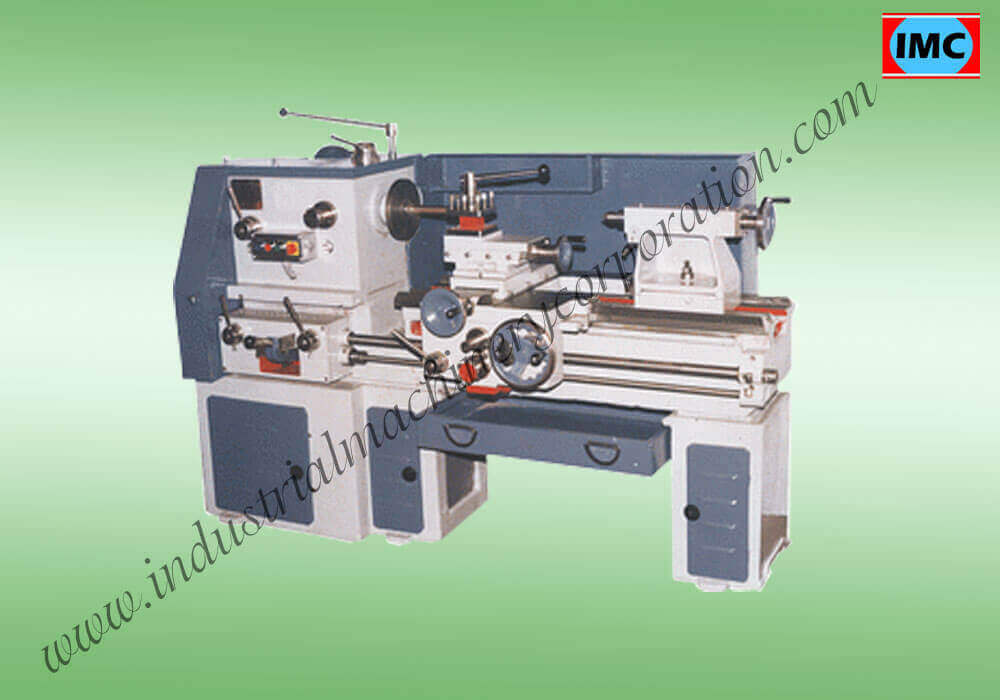
Lathe Machines from Industrial Machinery Corporation (IMC) is designed to support general turning, facing, drilling and workshop machining across multiple bed lengths and capacities. It is manufacture ...
VIEW MORE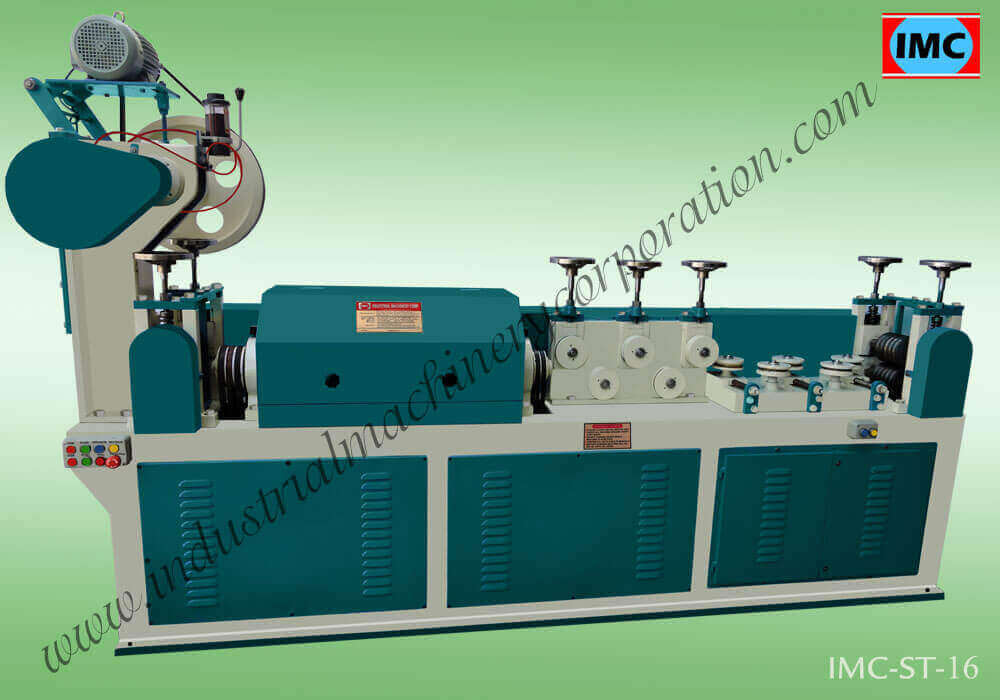
Wire Straightening And Cutting Machine from Industrial Machinery Corporation (IMC) straightens coiled wire or rod and cuts it automatically to the required length. IMC manufactures multiple machine ca ...
VIEW MORE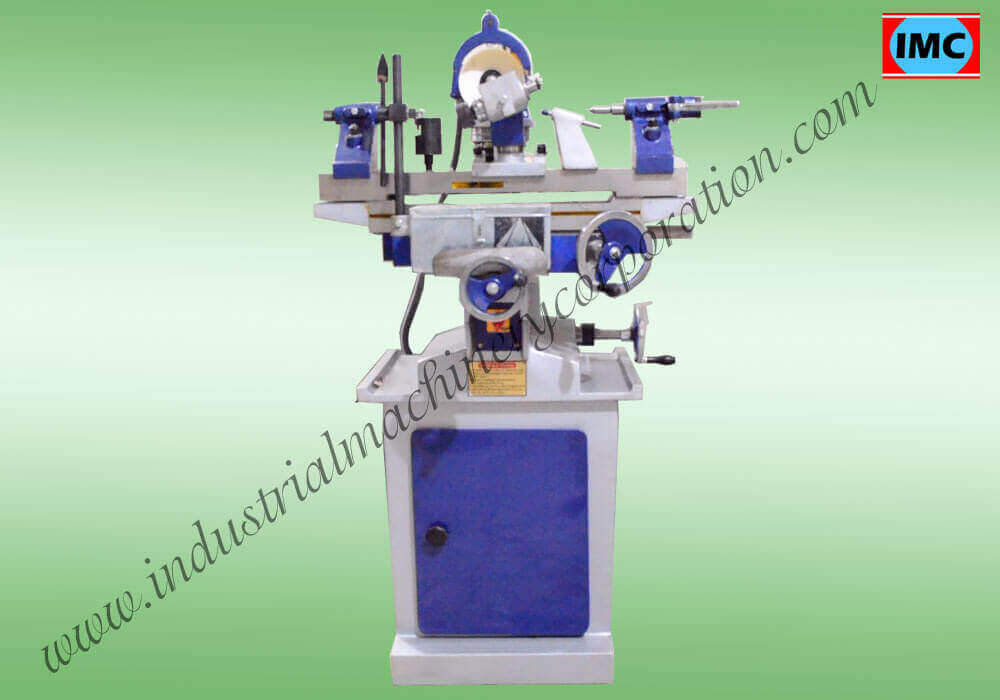
Tap and Tool Grinder Machine from Industrial Machinery Corporation (IMC) is designed to re-sharpen taps and compatible cutting tools so worn cutting geometry can be restored. Controlled grinding helps ...
VIEW MORE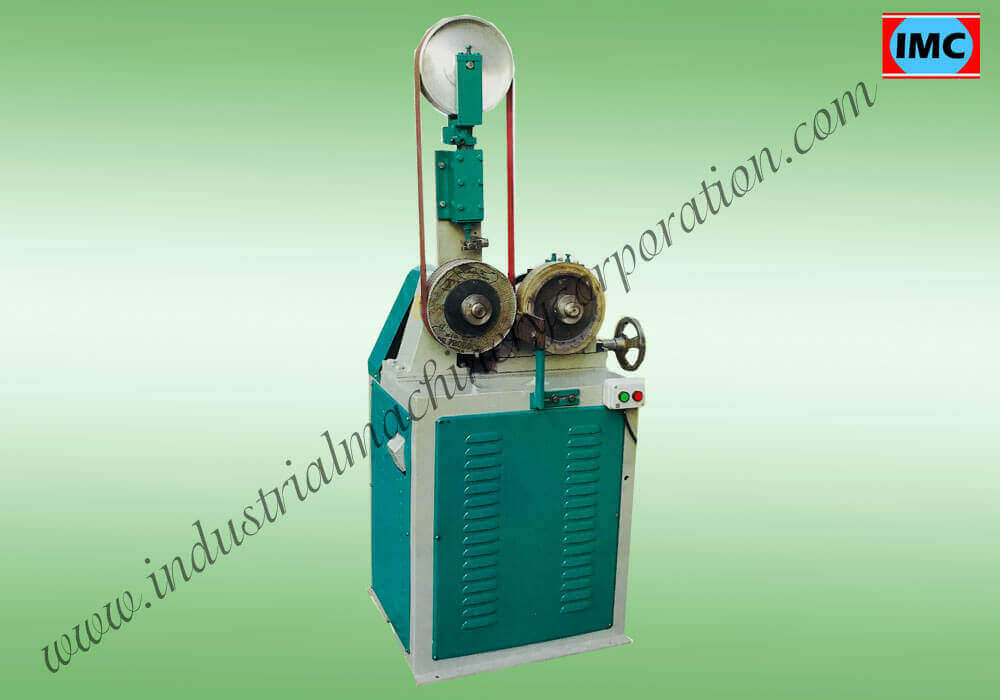
Pipe and Rod Polishing Machine from Industrial Machinery Corporation (IMC) is designed for repeatable surface finishing of pipes, rods and fabricated cylindrical components. IMC supplies semi-automati ...
VIEW MORE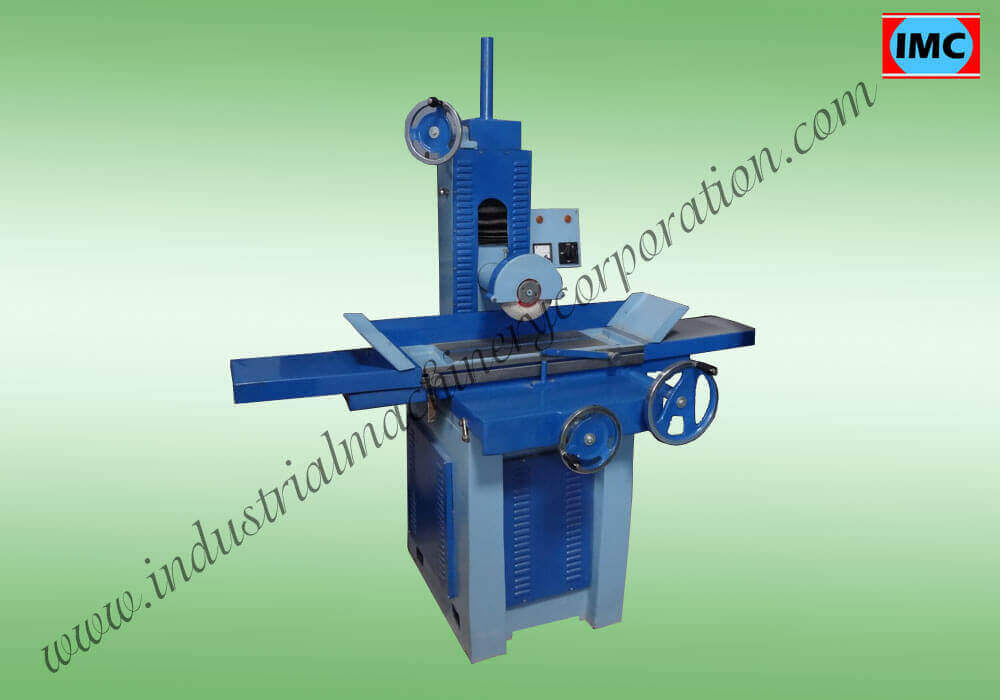
Surface Grinder Machine from Industrial Machinery Corporation (IMC) is designed to produce flat, accurate ground surfaces on metal components. This product page lists SG-200 and SG-250 models for tool ...
VIEW MORE